THE ADVENTURE COLLECTIVE® · Independent discovery and booking for outdoor travel

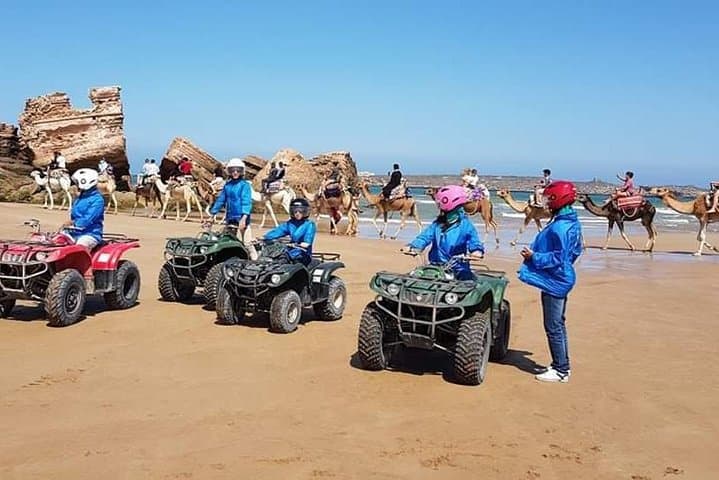
Two hours on an ATV and two hours on a camel across Diabat’s windswept coastal plain with free transfer from Essaouira. This half‑day combo pairs high‑octane dunes and slow, seaside camel treks for a compact taste of southern Morocco.
Two hours on an ATV and two hours on a camel across Diabat’s windswept coastal plain with free transfer from Essaouira. This half‑day combo pairs high‑octane dunes and slow, seaside camel treks for a compact taste of southern Morocco.
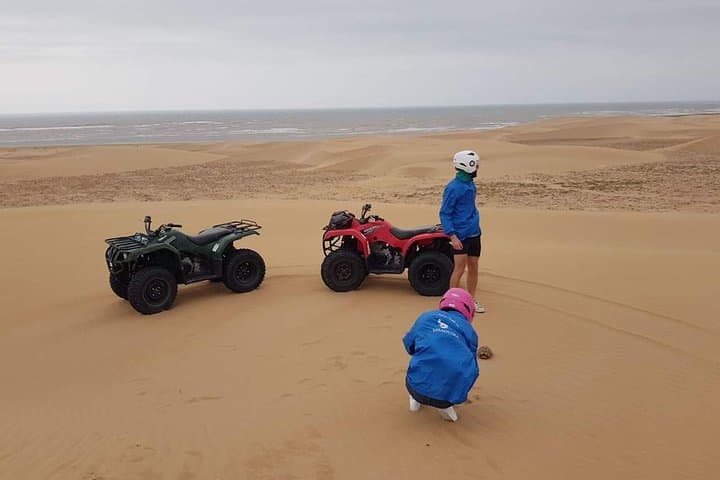
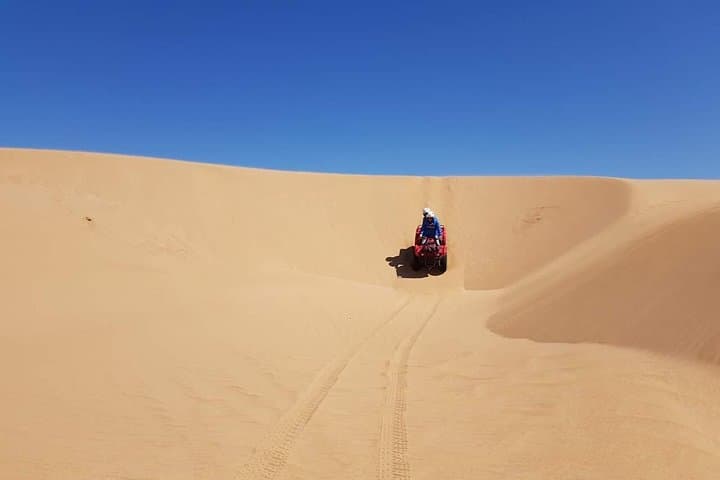
You arrive in Diabat with sand under your boots and the Atlantic wind already testing your hat. The quad engines hum to life on a flat plain that runs into low dunes and a scrubby argan woodland; the ocean keeps time at the edge of your peripheral vision, daring you to push a little harder on the throttle. After a safety briefing and helmets, the guide points out the route — tracks that thread between tidal flats, olive-colored argan trees and the occasional fisherman hauling nets below the cliffs.
Verified experiences and guided adventures in the surrounding area.
Operated by Diana Quad sarl · Diabat, Marrakesh-Safi
You arrive in Diabat with sand under your boots and the Atlantic wind already testing your hat. The quad engines hum to life on a flat plain that runs into low dunes and a scrubby argan woodland; the ocean keeps time at the edge of your peripheral vision, daring you to push a little harder on the throttle. After a safety briefing and helmets, the guide points out the route — tracks that thread between tidal flats, olive-colored argan trees and the occasional fisherman hauling nets below the cliffs.
This stretch of Morocco carries layers of history: Portuguese forts and the crescent of Essaouira’s 18th‑century ramparts sit upcoast, while Diabat’s ruins and Gnawa music traditions echo Berber and sub‑Saharan links. Geologically the coast is defined by wind‑worked dunes and a narrow coastal plain where the Oued Ksob fans into the sea, sand shifting with each high tide.
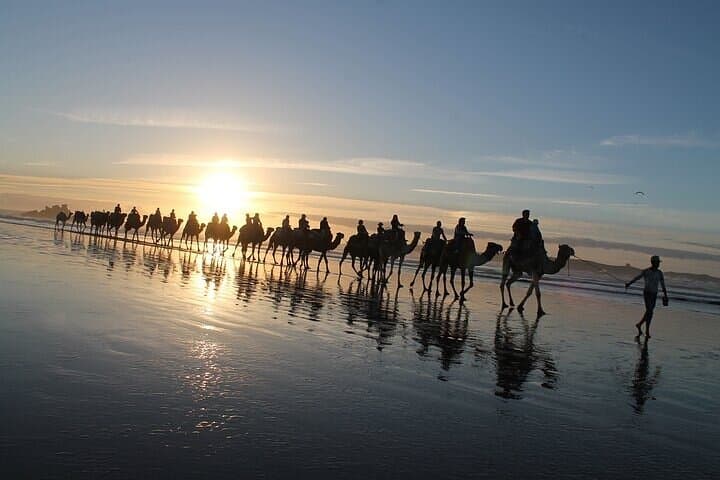
You’ll stop for mint tea beneath a shaded tree, listening to guides recount local life and camel lore before switching to a two‑hour camel ride that moves at the ocean’s patient tempo. Camels negotiate soft sand in a slow, deliberate rhythm that lets you watch seabirds work the surf and fishermen hauling lines.
Practical note: the operator supplies helmets and jackets; moderate fitness makes both sections comfortable. Expect dusty trails, salty air and the need to protect skin and eyes from strong sun and wind. Stick with the guide, hydrate often, secure loose items on the quad, and allow time after the tour for a slow walk on Essaouira’s ramparts to unwind.
moderate.
4 hours.
Moderate fitness; able to mount/dismount camels and handle short periods of ATV control while standing or seated.
No—the operator provides a brief training and the route is designed for mixed skill levels; novices will be guided and paired appropriately.
Yes—helmets and jackets are included as part of the tour package.
Infants must sit on laps and the operator sets age/weight limits—confirm at booking and disclose ages during reservation.
Full refund if cancelled at least 24 hours before departure; no refund within 24 hours of the tour.
The Essaouira coast has Portuguese military origins and long trading links with sub‑Saharan Africa; Gnawa music and argan oil production reflect these cultural crossroads.
Stay on established tracks to protect dune vegetation and argan trees; support local guides who practice humane camel handling and small‑scale tourism.
Diana Quad sarl operates guided outdoor trips and adventures with an emphasis on safety, stewardship, and memorable experiences.
You arrive in Diabat with sand under your boots and the Atlantic wind already testing your hat. The quad engines hum to life on a flat plain that runs into low dunes and a scrubby argan woodland; the ocean keeps time at the edge of your peripheral vision, daring you to push a little harder on the throttle. After a safety briefing and helmets, the guide points out the route — tracks that thread between tidal flats, olive-colored argan trees and the occasional fisherman hauling nets below the cliffs.
You arrive in Diabat with sand under your boots and the Atlantic wind already testing your hat. The quad engines hum to life on a flat plain that runs into low dunes and a scrubby argan woodland; the ocean keeps time at the edge of your peripheral vision, daring you to push a little harder on the throttle. After a safety briefing and helmets, the guide points out the route — tracks that thread between tidal flats, olive-colored argan trees and the occasional fisherman hauling nets below the cliffs.
This stretch of Morocco carries layers of history: Portuguese forts and the crescent of Essaouira’s 18th‑century ramparts sit upcoast, while Diabat’s ruins and Gnawa music traditions echo Berber and sub‑Saharan links. Geologically the coast is defined by wind‑worked dunes and a narrow coastal plain where the Oued Ksob fans into the sea, sand shifting with each high tide.
You’ll stop for mint tea beneath a shaded tree, listening to guides recount local life and camel lore before switching to a two‑hour camel ride that moves at the ocean’s patient tempo. Camels negotiate soft sand in a slow, deliberate rhythm that lets you watch seabirds work the surf and fishermen hauling lines.
Practical note: the operator supplies helmets and jackets; moderate fitness makes both sections comfortable. Expect dusty trails, salty air and the need to protect skin and eyes from strong sun and wind. Stick with the guide, hydrate often, secure loose items on the quad, and allow time after the tour for a slow walk on Essaouira’s ramparts to unwind.